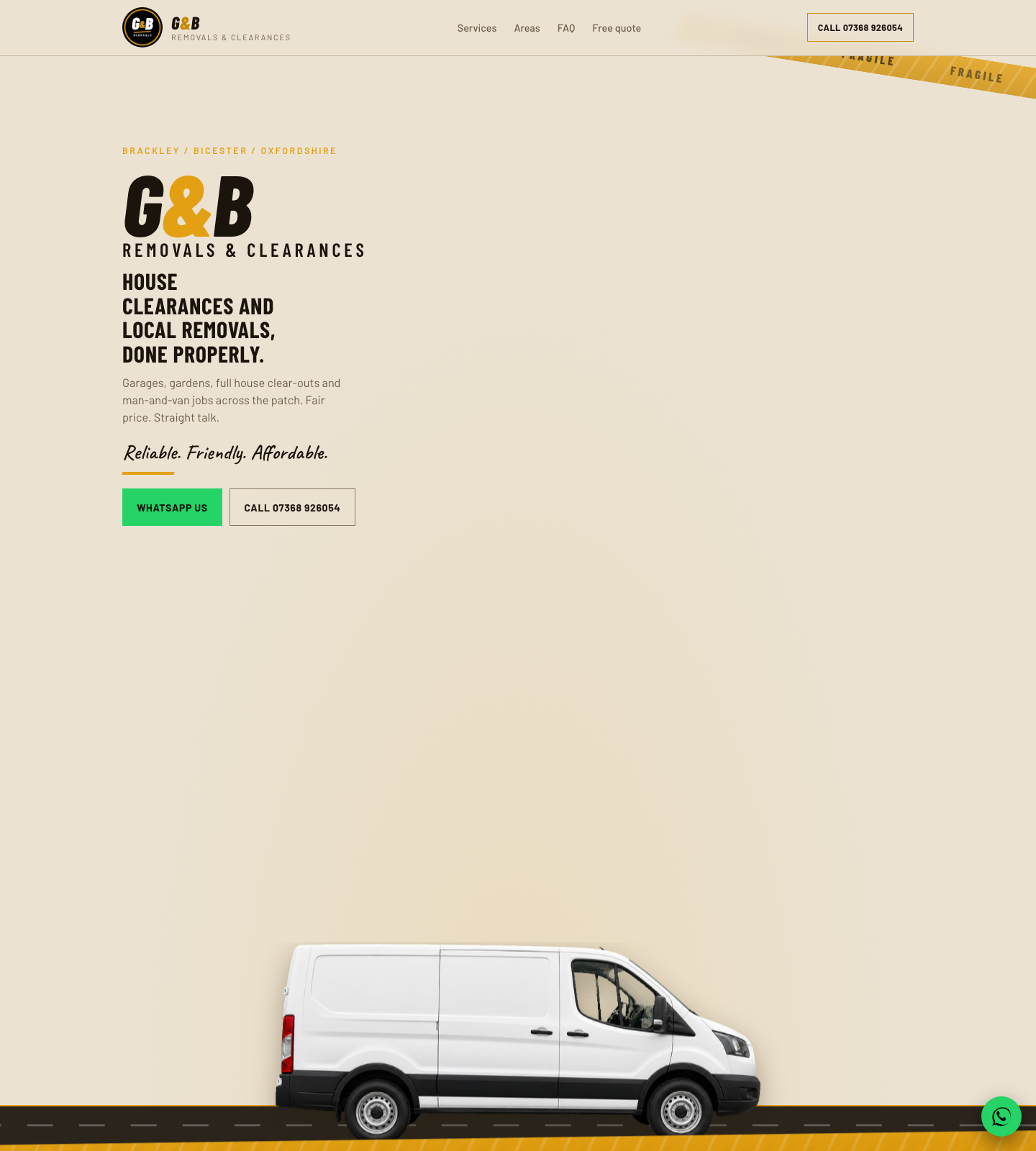
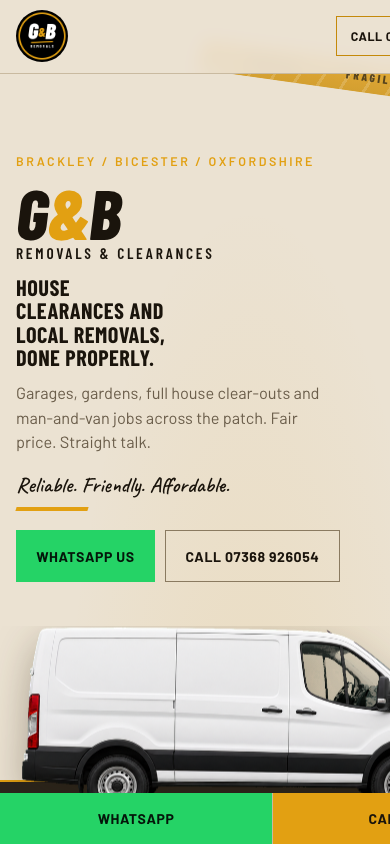
I'm Will, 23, a chef in London and a self-taught web designer. For the last few years I've spent my spare time building real things for real businesses, all unpaid and out of genuine interest. This portfolio shows four of them, along with the research and thinking behind each one.
Everything here was designed by me and built with the help of modern AI development tools. I'm strong on research, art direction and ideas. The programming underneath is the part I can't fully explain yet, and that is why I'm applying to study computer science.
Ravensbourne's portfolio guidance asks for research, development and honest work in progress rather than polish. Each project below starts with the thinking, not the screenshots.
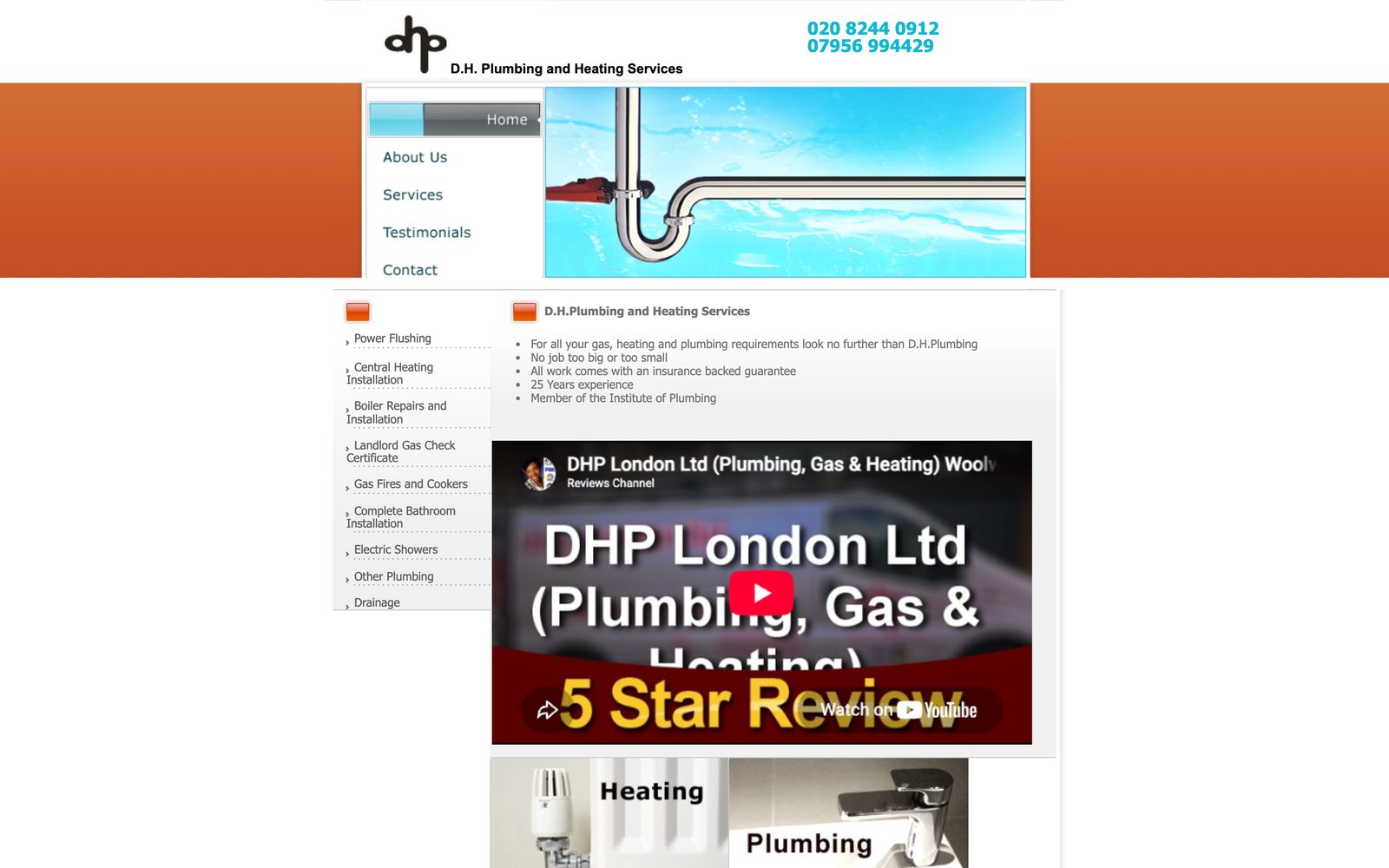
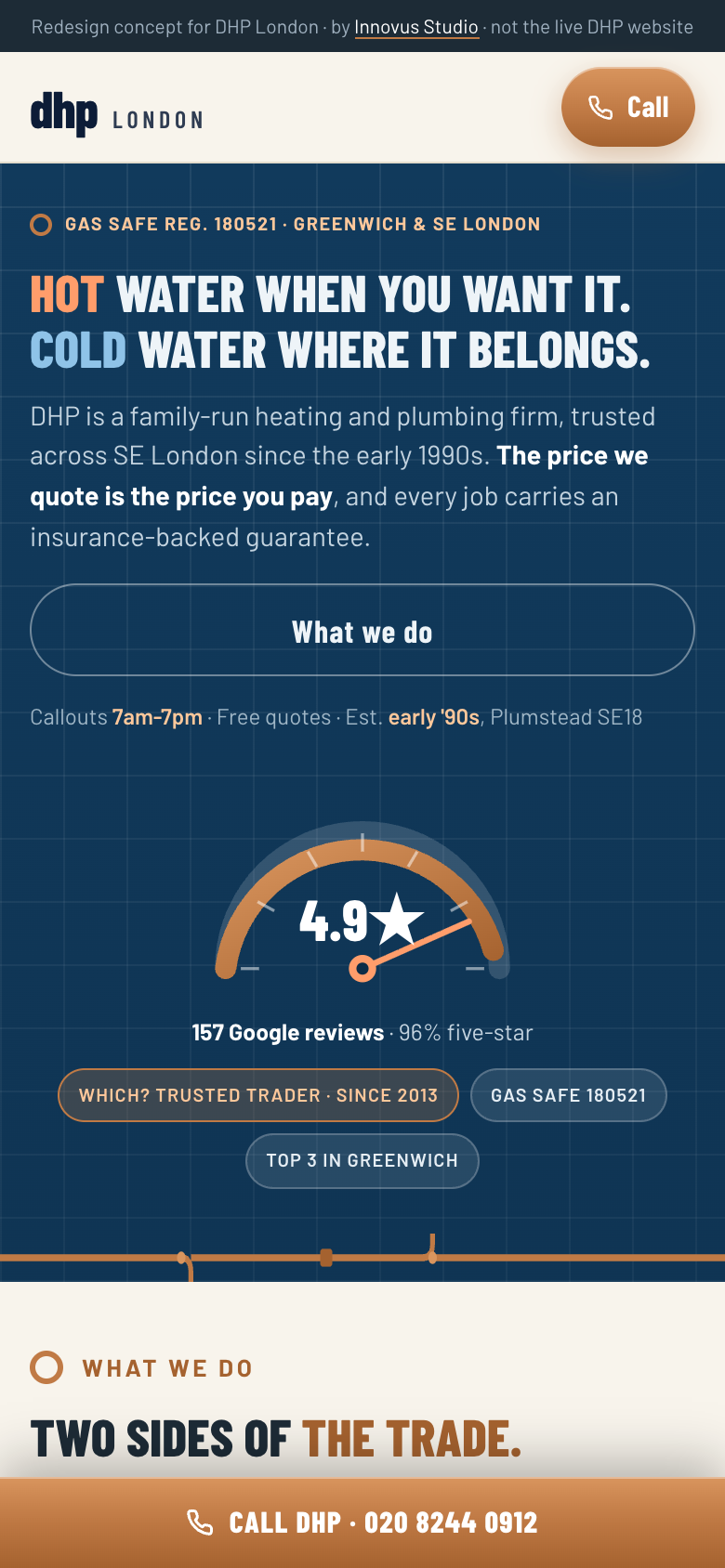
DHP is a real family-run plumbing firm in Plumstead, trading since the early 1990s. Before designing anything I researched them properly. Companies House records, all four of their existing websites, their Which? Trusted Trader profile and 157 Google reviews. Two of their sites had no SSL, one had the wrong borough in its own headline, and their best asset, 30 years of five-star reviews naming the owner personally, was buried where nobody would see it.
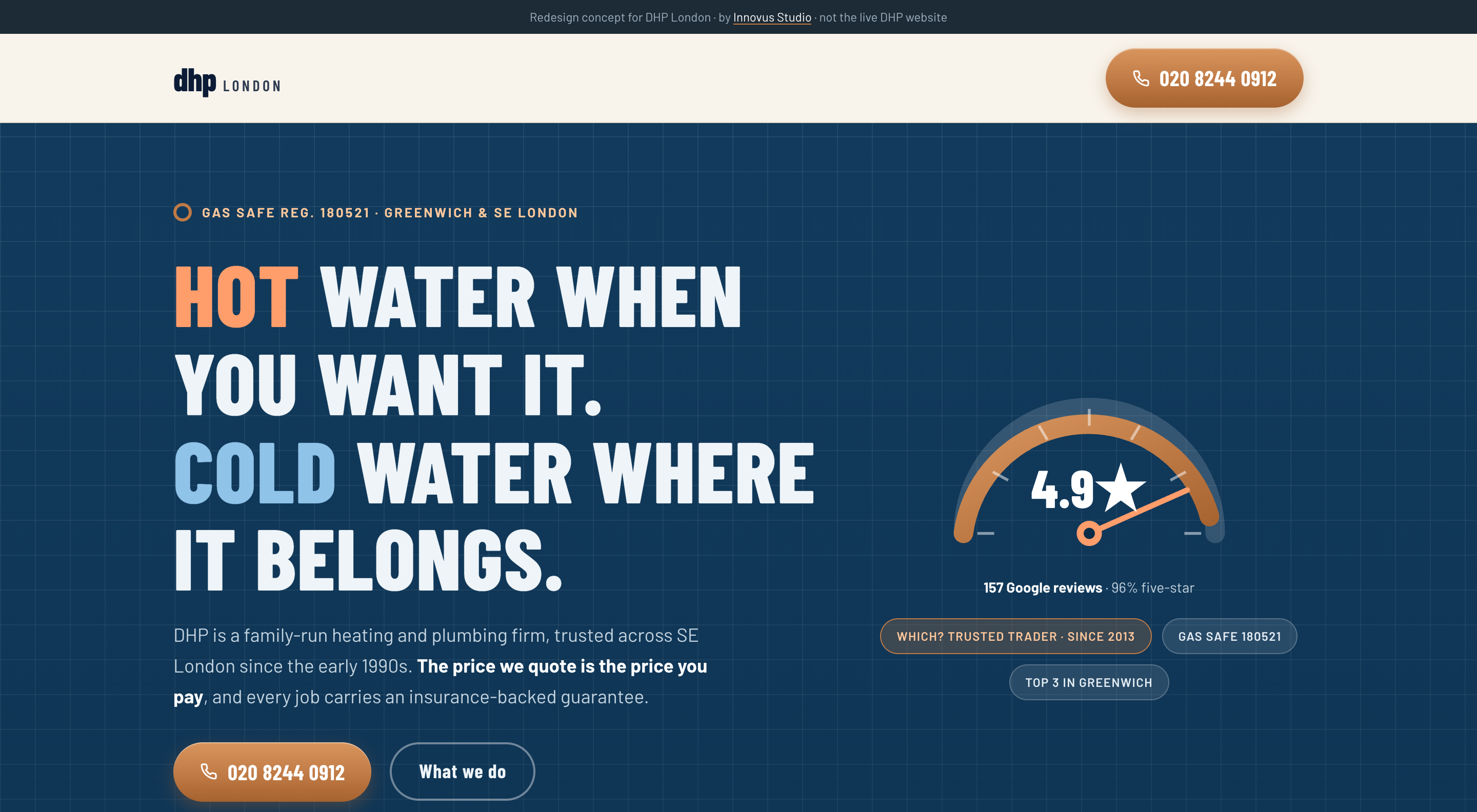
The visual language comes from the trade itself rather than a template. A blueprint-grid navy, copper and brass tones from actual pipework, a pressure-gauge motif holding their real 4.9★ rating, and a hot/cold palette split for the headline. Their genuine trust signals, the Gas Safe number, the Which? endorsement and real review quotes, are the imagery. No stock photos anywhere.
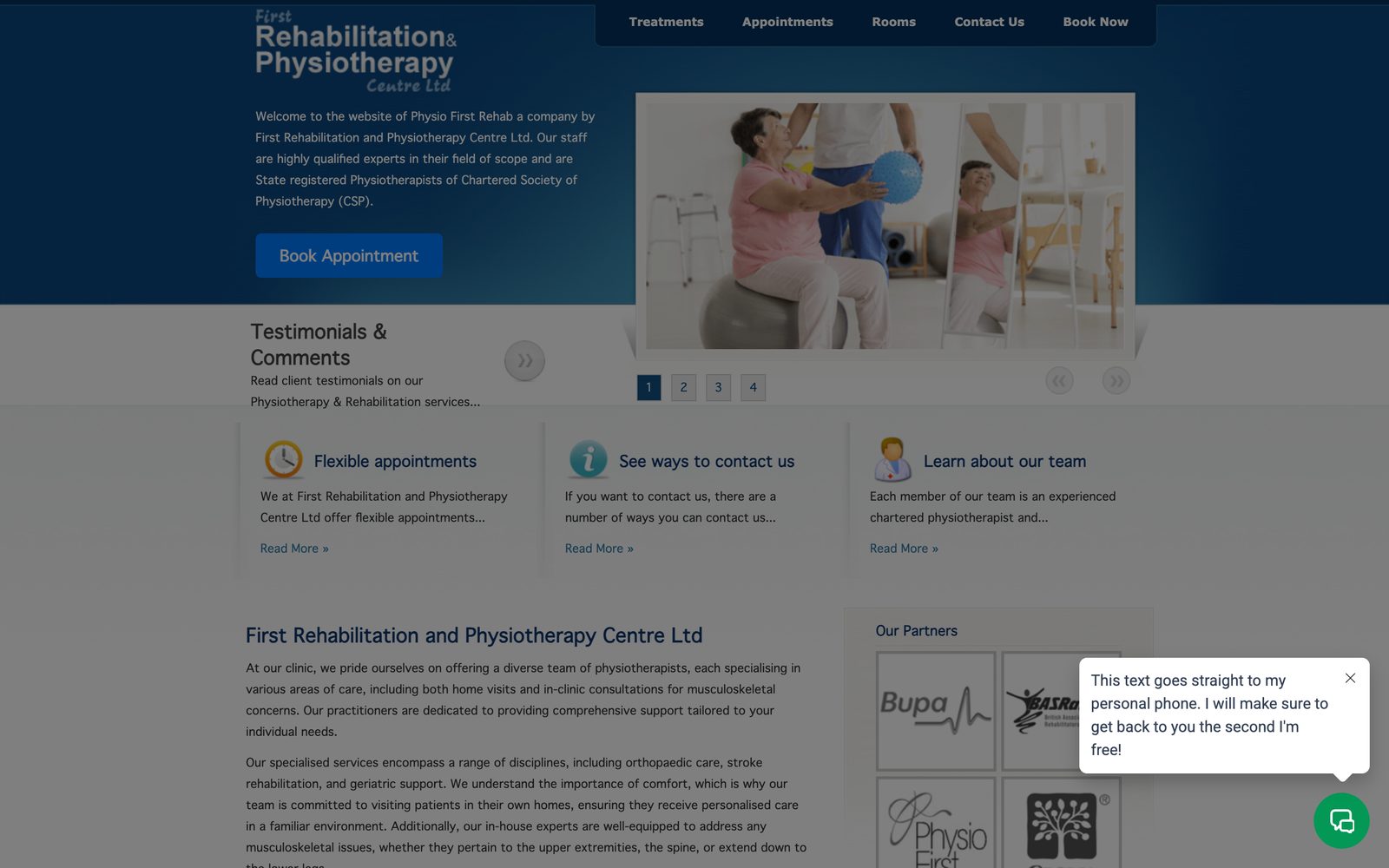
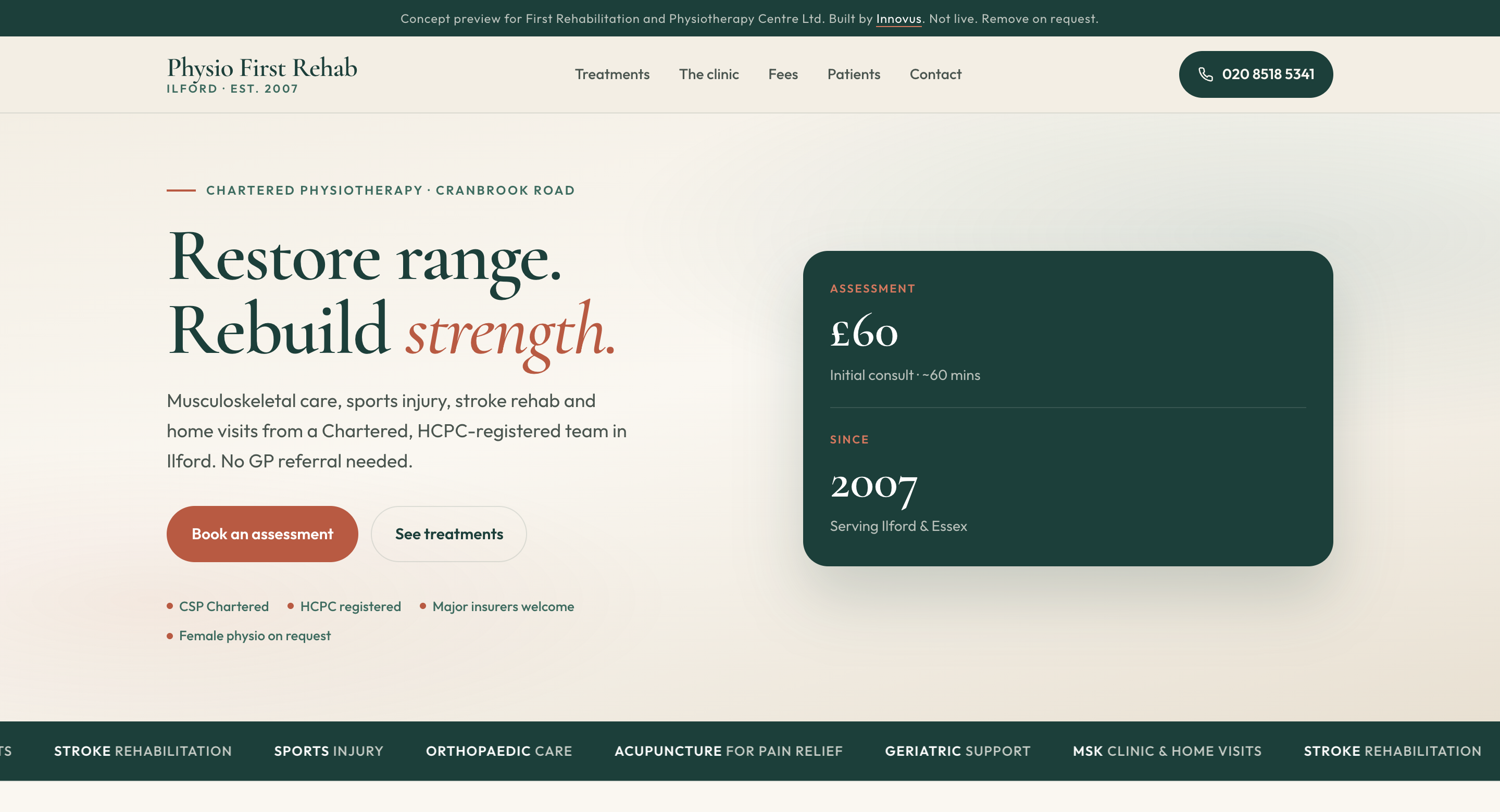
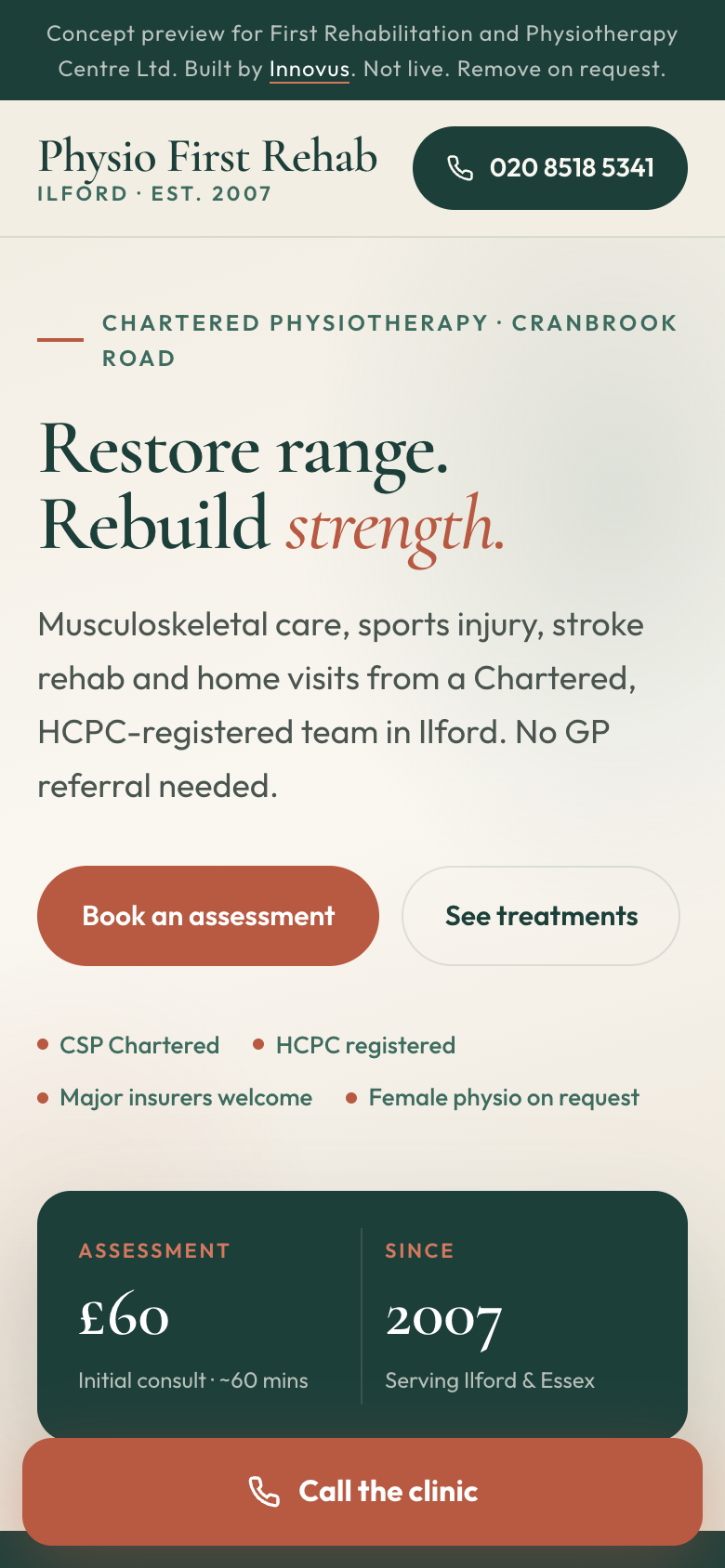
A chartered physiotherapy practice established in 2007. The brief I set myself was simple. A patient should understand what the clinic treats, what it costs and how to book within seconds, and the whole thing should feel calm, because the person visiting is often in pain.
A completely different language from DHP, on purpose. Soft clinical greens and creams, a quiet serif, upfront pricing in a card, and a scrolling strip of treatments. Every project gets its own identity built from the business, never a reskin of the last one.
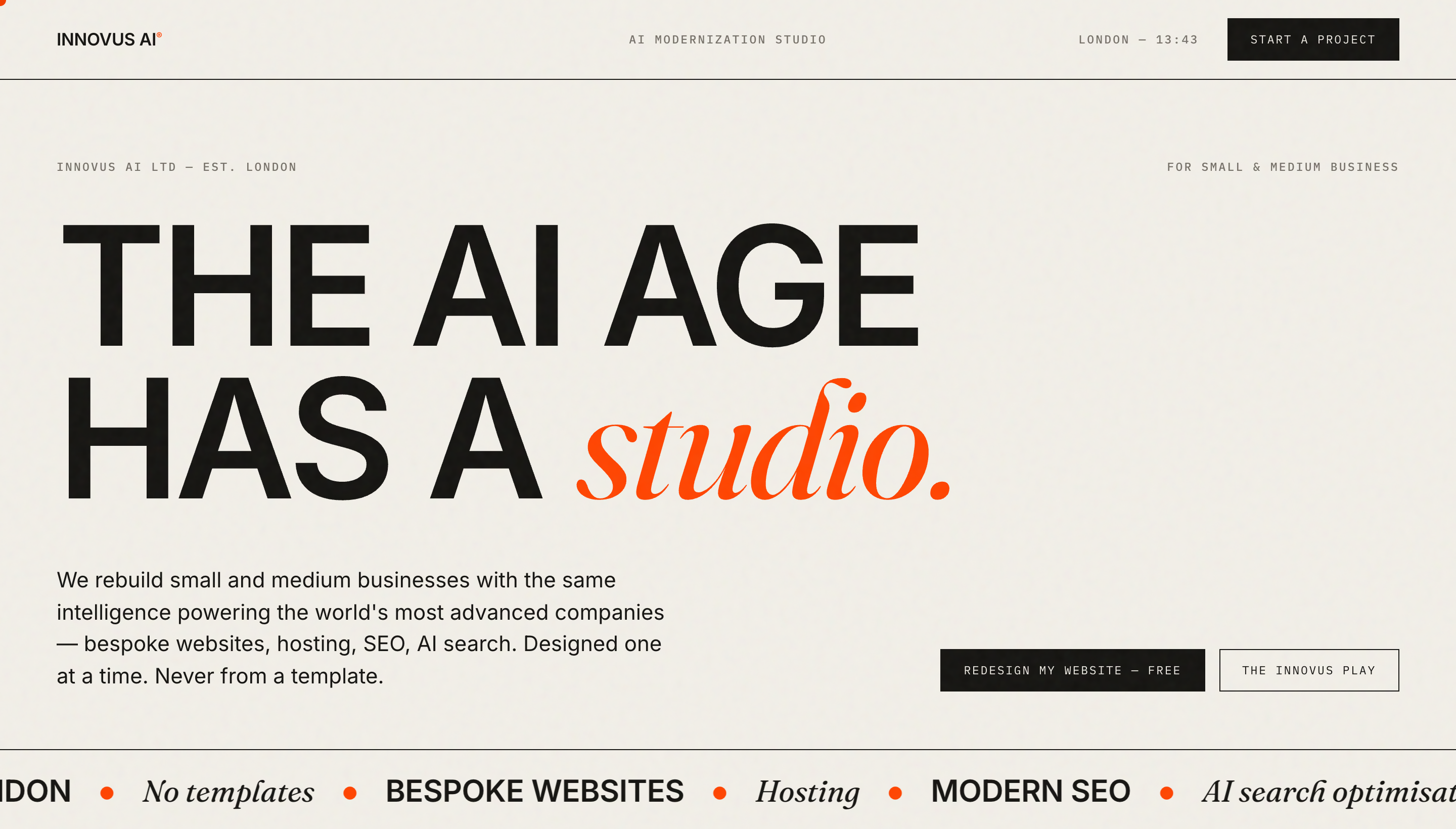
Innovus is my studio identity, the umbrella for all the free rebuild work. I designed the brand (wordmark, paper-and-ink palette, editorial typography), wrote the copy, built and deployed the site, and set up the structured data and search optimisation myself.
Search "Innovus AI" on Google and the studio is on the first page, alongside its Companies House record. For a spare-time project with no budget, getting found mattered most to me, because it meant the technical side (hosting, DNS, metadata, performance) actually worked.
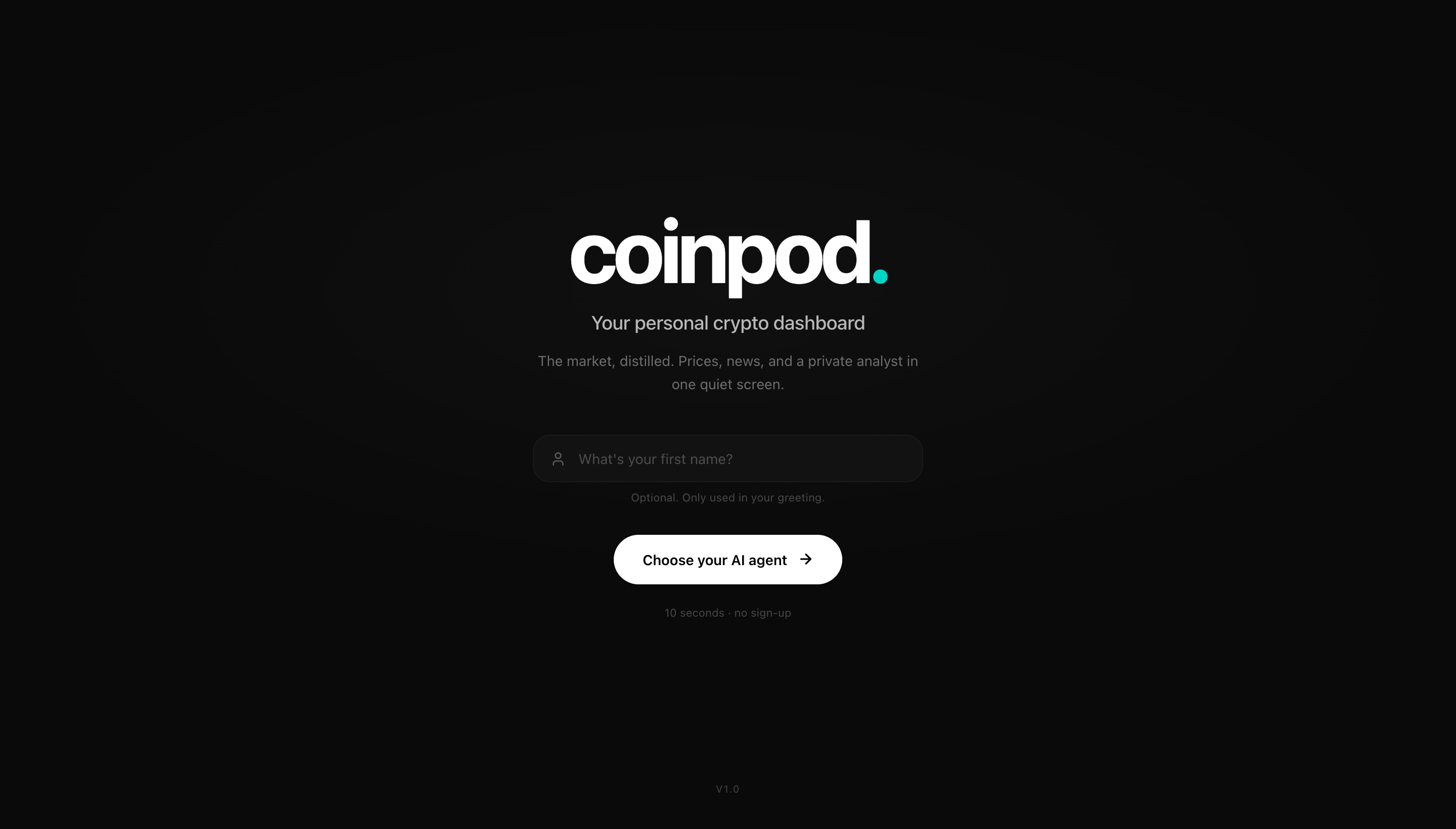
A personal experiment in product design. Take a noisy, overwhelming feed of live market prices and distil it into one quiet screen, with an AI chatbot that reads the live numbers and answers questions in plain English.
This was the project where I found my limits. Working with live data feeds, keeping a site deployed and stable, and connecting an AI model to real numbers. It works, but I want to properly understand the layer underneath it, and that is a big part of why I'm applying.
Companies House, reviews, their existing sites, their trade. The design brief comes from facts, not taste.
Fonts, palette and motifs have to be justified by the industry. A plumber gets blueprints and copper, a clinic gets calm.
I direct, iterate and edit, and AI tooling writes most of the code. Fast, but it's the step I want to properly understand.
Hosting, domains, DNS, metadata, performance, search visibility. I set all of this up myself and learned it by getting it wrong first.
I can research a business, design something true to it, and get it built and deployed. What I can't yet do is explain the code line by line. The programming fundamentals, the algorithms, the maths underneath machine learning. That is the gap the foundation year exists to close, and it's why I'm applying.
I've cut my working hours from September so I can study full time, and I'm local to Greenwich.